Myopia, commonly known as nearsightedness, has become a significant public health concern, particularly among children. The prevalence of myopia has risen dramatically in recent years, with studies indicating that nearly 50% of children in some regions are affected. As myopia progresses, it can lead to serious complications, including an increased risk of cataracts, glaucoma, and retinal detachment. Consequently, finding effective methods to slow down the progression of myopia in children is crucial. This article explores various strategies and treatments available to manage myopia and promote better eye health.
Understanding Myopia
Myopia occurs when the eyeball is too long or the cornea is too curved, causing distant objects to appear blurry. Children often experience rapid increases in myopia during their growth years, typically between the ages of 6 and 18. Genetics plays a role, but environmental factors such as increased screen time, reduced outdoor activities, and prolonged near vision tasks also contribute significantly to the rise of myopia.
Regular Eye Examinations
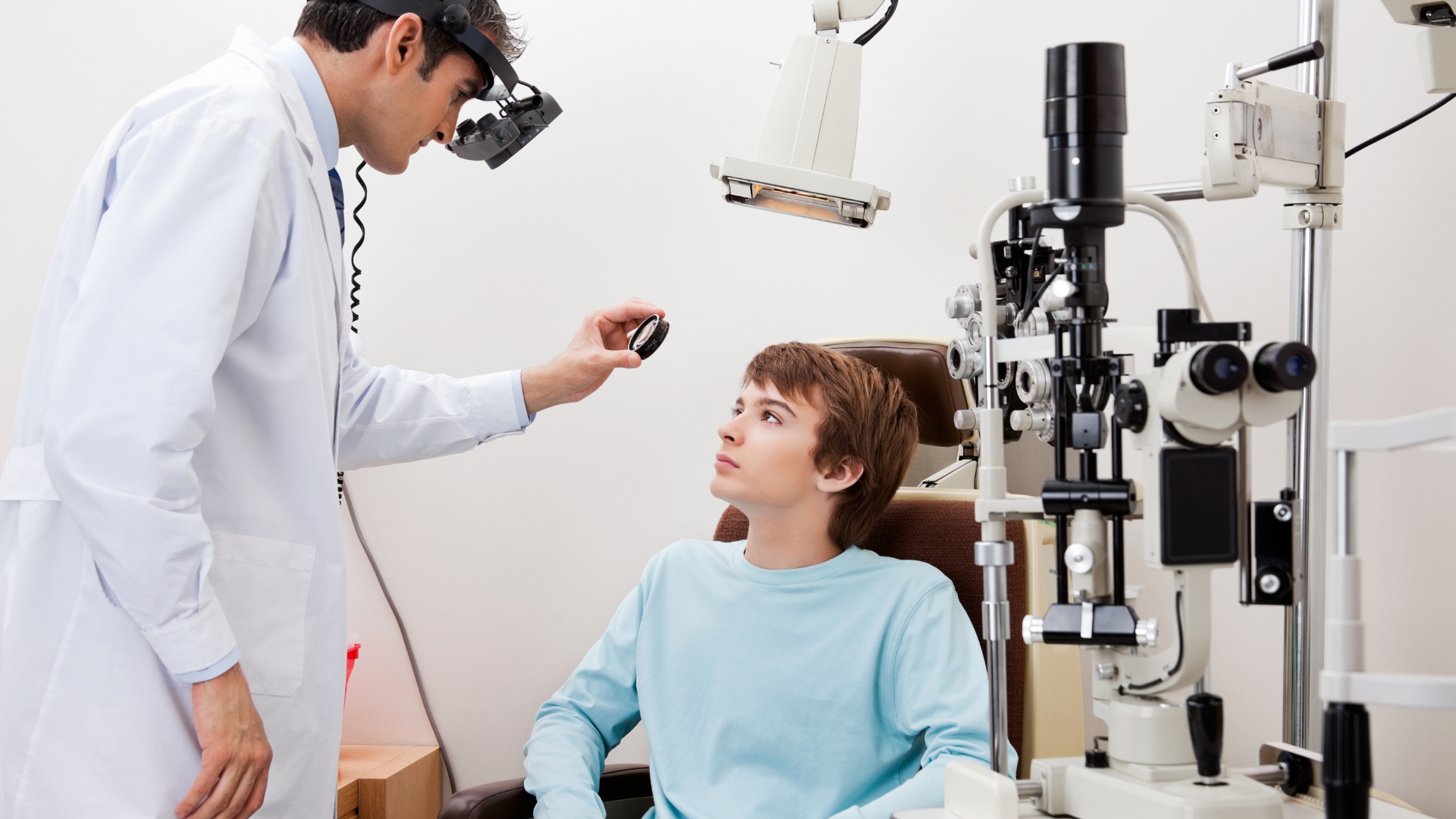
The first step in managing myopia is regular eye examinations. Parents should schedule comprehensive eye exams for their children, starting at an early age. These check-ups help detect myopia early and allow for timely intervention. Optometrists can provide personalized recommendations based on the child’s specific needs and lifestyle, ensuring the best approach to control myopia progression.
Prescription Glasses and Contact Lenses
Standard prescription glasses and contact lenses correct myopia by bending light rays to focus images correctly on the retina. For children with progressing myopia, special lenses may help slow down its progression.
Myopia Control Lenses
- Bifocal and Multifocal Lenses: These lenses contain different prescriptions for near and far vision, allowing the eyes to relax while looking at distant objects. Studies suggest that bifocal or multifocal lenses can help reduce the rate of myopia progression in children.
- Orthokeratology (Ortho-K): This specialized contact lens therapy involves wearing specially designed rigid gas permeable lenses overnight. These lenses reshape the cornea temporarily, allowing children to see clearly during the day without needing glasses or contact lenses. Research indicates that Ortho-K can effectively slow down myopia progression.
Atropine Eye Drops
Atropine eye drops are a well-researched method for controlling myopia. Low doses of atropine have been shown to reduce the progression of myopia in children significantly. The exact mechanism is not entirely understood, but it is believed that atropine works by relaxing the eye’s focusing mechanism. Studies indicate that using low-dose atropine (0.01%) is effective with minimal side effects, making it a viable option for managing myopia.
Outdoor Activities
Encouraging outdoor activities is one of the simplest and most effective ways to slow myopia progression. Studies have shown that children who spend more time outdoors are less likely to develop myopia and experience slower progression. The natural light exposure and the opportunity for distant viewing are believed to play significant roles. Aim for at least 2 to 3 hours of outdoor time each day to help mitigate myopia’s progression.
Screen Time Management
In today’s digital age, managing screen time is essential in myopia control. Extended periods of close-up work, such as reading, writing, and using electronic devices, can contribute to myopia progression. Encourage children to take regular breaks using the 20-20-20 rule: every 20 minutes, they should look at something 20 feet away for at least 20 seconds. Additionally, consider limiting recreational screen time and promoting more outdoor activities instead.
Vision Therapy
Vision therapy involves a series of exercises and activities designed to improve visual skills and processing. While it may not directly reduce myopia, it can help with focusing skills, eye coordination, and overall visual function. Some studies suggest that vision therapy may have a positive impact on myopia control, particularly for children with specific visual issues.
Nutritional Considerations
Emerging research suggests that nutrition may also play a role in eye health and myopia progression. A balanced diet rich in antioxidants, omega-3 fatty acids, and vitamins A, C, and E can support overall eye health. Foods like leafy greens, fish, nuts, and fruits can contribute to better visual function. While nutrition alone cannot prevent or reverse myopia, a healthy diet can support the eyes and overall well-being.
Future Directions in Myopia Control
As research continues, new treatments and strategies for myopia control are emerging. Innovations like digital eye tracking and advanced lens designs may offer additional ways to manage myopia effectively. Ongoing studies are exploring the long-term effects of current interventions and their impact on children’s vision, paving the way for enhanced management techniques.
Conclusion
Myopia is a growing concern among children, but various effective strategies are available to slow its progression. Regular eye examinations, specialized lenses, atropine eye drops, outdoor activities, screen time management, vision therapy, and proper nutrition can all contribute to better eye health. Parents play a crucial role in implementing these methods and ensuring their children maintain optimal vision. By taking proactive measures, we can help our children enjoy a lifetime of healthy sight and reduce the risks associated with myopia.